

A facelift in San Jose and Los Gatos is one of the most effective surgical solutions for correcting the structural changes that occur with facial aging. Over time, sun exposure, gravity, and natural collagen loss contribute to sagging skin, jowls, deep creases, and loss of definition along the jawline and neck. Facelift surgery, also known as rhytidectomy, is designed to restore internal support and reposition facial tissues for a smoother, more youthful contour.
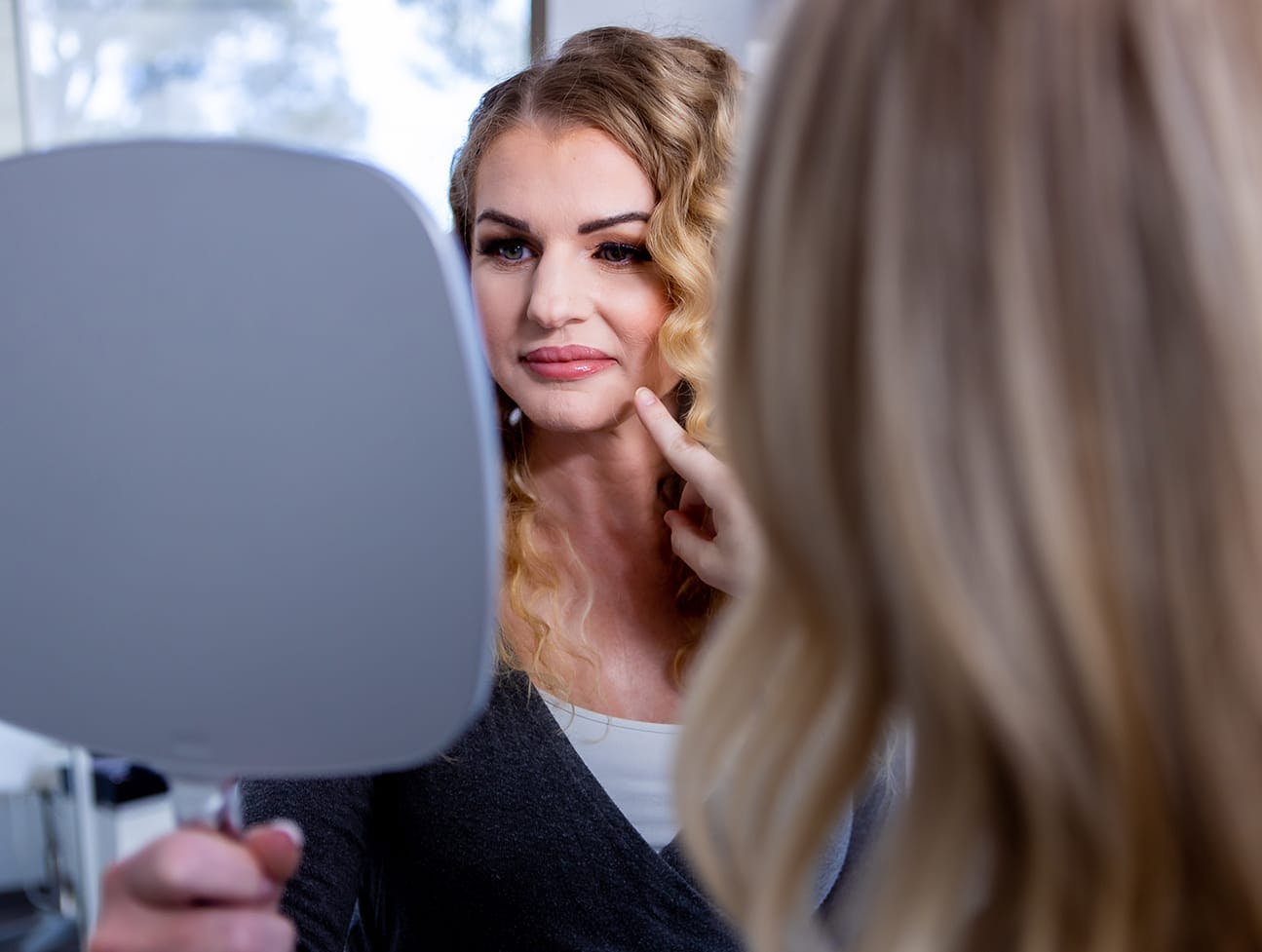
Actual Patient

Although these changes can be unfavorable, there are several approaches to facial rejuvenation that can be utilized to repair damaged tissues and achieve a more refreshed appearance. Because there are multiple causes of facial aging, surgery is only one aspect of a balanced plan for facial rejuvenation. Facelift surgery can be complemented by injectables like BOTOX® Cosmetic, XEOMIN®, Restylane®, or JUVÉDERM®, as well as skin care products and laser skin resurfacing.

What is a Facelift?
A facelift is designed to restore internal support for the face by lifting and repositioning sagging tissue, thereby restoring a younger-looking version of yourself. During a facelift, facial features are replaced to their normal location. The underlying anatomy of the face is highlighted to restore a refreshed and natural appearance. In patients with volume loss or deflated features, volume can be replenished with additional procedures. Combined, this strategy provides a balanced and natural rejuvenation of the face that lessens the effects of time and restores a more youthful appearance.
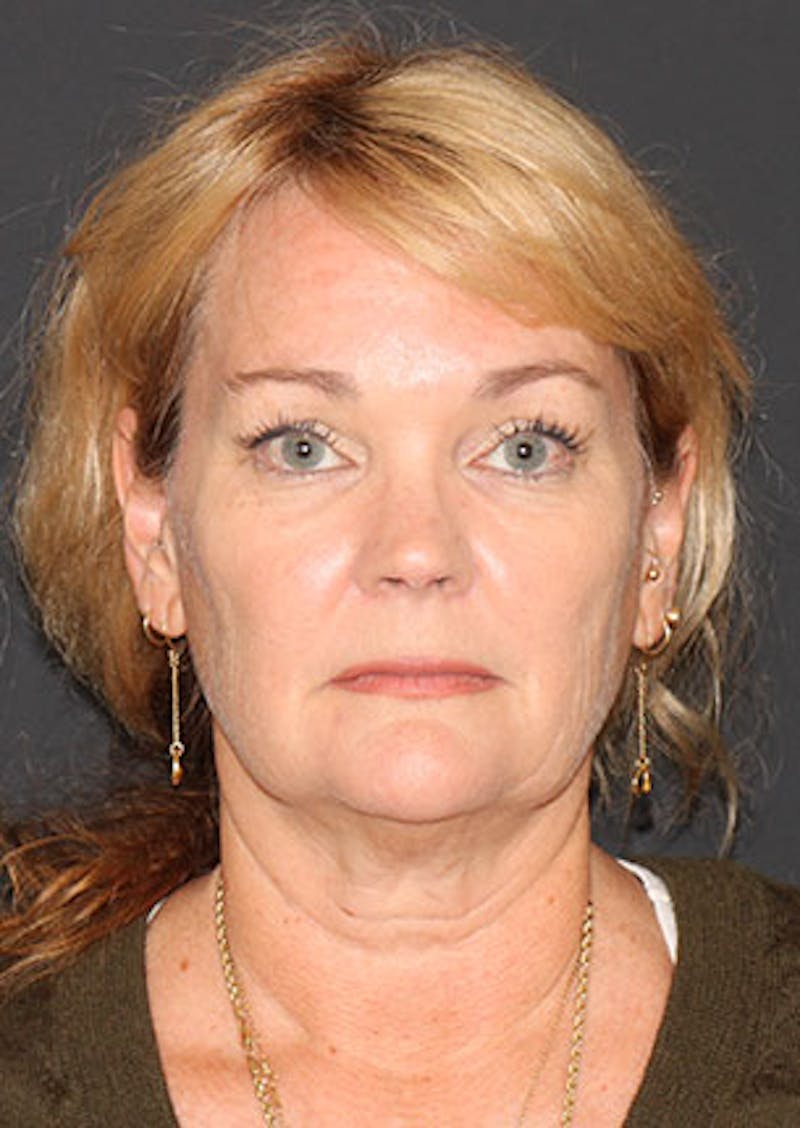
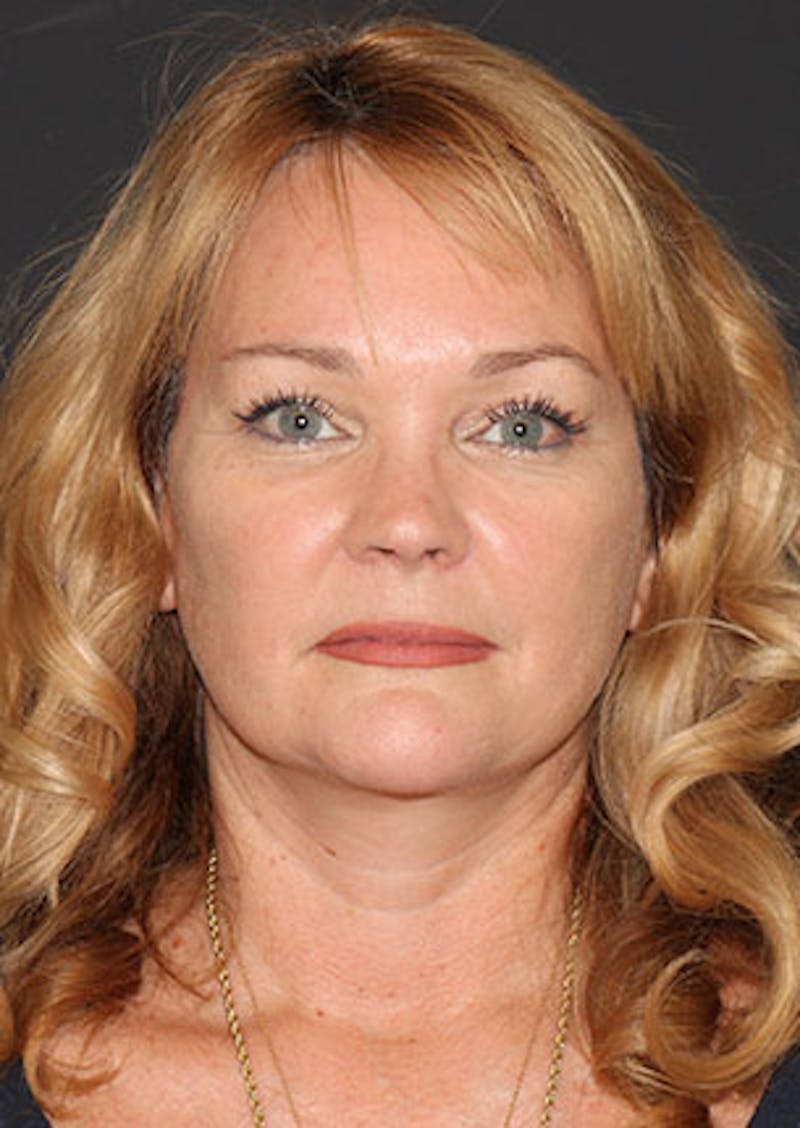
Before & After
View More

Why Undergo Facelift Surgery?
As people age, several changes occur in the structure of the face. First, the skin loses its youthfulness and intrinsic elasticity. As a result, there can be excess skin and some sagginess. Gravity pulls certain features down on the face, leading to dropped cheeks and jowls along the jawline.
Structures appear to sag in a position lower than they once were, and bands may appear along the neck. This downward movement also highlights the wrinkles and skin folds that are associated with aging. In addition, the volume and amount of tissue in the face decreases, adding to the presence of creases, wrinkles, and excess skin. A comprehensive facial rejuvenation plan and facelift surgery can improve many of these concerns.
Facial aging must be analyzed at all tissue levels from the skin, soft tissue (fat and musculoaponeurotic system), and bone. Dr. Jerome Liu and Dr. Tom Liu, our aesthetic fellowship-trained plastic surgeons, will perform a comprehensive facial aesthetic analysis of all your tissue layers to achieve a balanced and natural appearing result. Our doctors are trained to offer procedures and operations to enhance all aspects and layers of the face.
What Concerns Can Facelift Surgery Treat?
A facelift can reduce facial skin laxity and reinforce underlying support for the face, allowing patients to attain a smoother, firmer, and more rejuvenated appearance. Though nothing can stop the natural aging process, a facelift can be one way to help you age more gracefully. This procedure can be effective in correcting:
- Jowls and sagging skin
- Deep creases and facial folds
- Facial fat that has fallen
- Loose, excess neck skin
Again, facelift surgery is only one form of facial rejuvenation that may be complemented with other techniques, including volume-enhancing fillers, non-surgical treatments and BOTOX® Cosmetic wrinkle reduction, among other services. Once your concerns and goals have been discussed during your consultation, our doctors will be able to formulate the best possible treatment plan to restore the youthful contours of your face.

Is a Facelift Right for Me?
A facelift is most successful for healthy patients who have realistic expectations for the outcome of surgery. If you exhibit signs of facial aging you would like to improve, such as hanging skin along the jawline and neck, a facelift (with or without complementary facial rejuvenation treatments) may benefit you. Those interested in a facelift should also be non-smokers, or willing to quit smoking before and after the procedure. To provide the most optimal results, you and Dr. Jerome Liu or Dr. Tom Liu will discuss your concerns at length to ensure a mutual understanding of surgical goals and desires for the outcome.

Facelift Consultation
A facial rejuvenation consultation will take approximately one hour. Because facelift surgery is only one component of facial rejuvenation, Dr. Jerome Liu or Dr. Tom Liu will perform a complete facial analysis as part of the decision making process. Important considerations include assessment of the skin, facial volume, and signs of aging. Combined, these elements will determine the necessary components of a comprehensive plan for facial rejuvenation.
The goal of the consultation is for you to obtain all the information you need to make an informed decision regarding facelift and facial rejuvenation. Our plastic surgeons are dedicated to educating patients about the causes of facial aging, the anatomic changes that occur, and how best to address it. As part of the consultation, we will help you with the decision making process and answer all of your questions. We pride ourselves on building a “partnership” with you, the patient, during the consultation.
How Do I Prepare for a Facelift?
Patients are required to complete pre-operative testing and medical clearance from their primary care doctor to evaluate their medical fitness for surgery. Typically, this involves a medical history and physical from their doctor, including lab work and an EKG. Patients will receive an information packet that contains pre-operative information, details about the surgery, and post-operative instructions. Our team will work closely with you to oversee every aspect of your care and enhance your experience. We highly recommend that a skin care regimen be in place prior to facial rejuvenation. Healthy skin will improve healing and complement your post-operative results.

How is the Facelift Procedure Performed?
Facial rejuvenation surgery is an outpatient operation and is performed at an accredited surgical facility. There is always an anesthesiologist present, whether under general anesthesia or local anesthesia with sedation. Having an anesthesiologist present allows Dr. Jerome Liu and Dr. Tom Liu to concentrate on attaining the best cosmetic result instead of dividing their attention between the operation and monitoring the vital signs of the patient.

What Can I Expect During the Recovery Period After a Facelift?
Patients go home on the same day as surgery, but should have a responsible adult stay with them for the first 2 to 3 days. We recommend staying at an aftercare facility or having a private duty nurse for the first 24 hours. The recovery period is relatively rapid with most patients feeling very well by 2 to 3 days. The majority of the swelling and bruising dissipate by the end of the first week. Strenuous activity should be avoided for 1 to 2 weeks. Dr. Jerome Liu or Dr. Tom Liu will follow you closely during the recovery period and let you know when you can resume full activities. Post-operatively, patients should continue to meet with our professional aesthetician to continue skin treatment regimens and maintain youthful skin. These can be combined with procedures to enhance the quality and texture of the skin and improve any residual fine wrinkles.

Can I Get a Facelift Without Surgery?
A facelift is among the most powerful techniques to reduce signs of facial aging, but there are also non-surgical treatments that can be performed to refresh the face without surgery. While the results will not match the outcome possible with a facelift, Dr. Jerome Liu and Dr. Tom Liu offer FaceTite® by InMode as a minimally invasive alternative to rhytidectomy. FaceTite® is a cutting-edge treatment that uses radiofrequency (RF) energy and a small, patented cannula to tighten the underlying structures of the face and neck.
The specialized applicator is designed to apply gentle heat above and below the surface of the skin, effectively tightening loose skin and reducing jowling. Not only can this improve skin laxity, but FaceTite® technology also works to stimulate collagen production. This treatment may be performed in conjunction with, or in lieu of, a surgical facelift depending on your anatomical indicators. While the results of FaceTite® unfold gradually, treatment can offer noticeable and relatively long-lasting rejuvenation of the facial features.
There are many options now available for facial rejuvenation, both surgical and non-surgical. Our aesthetic fellowship-trained plastic surgeons are skilled in the most advanced techniques in facial rejuvenation. To find out if a facelift (facial rejuvenation) is right for you, please make an appointment with Dr. Jerome Liu or Dr. Tom Liu.
Facelift FAQs
How is a facelift different from a mini facelift?
Will a facelift improve volume loss in my cheeks or under-eyes?
Where are facelift incisions placed, and will they be visible?
Can a facelift be combined with eyelid surgery or neck contouring?
How long do facelift results typically last?
Is a non-surgical option like FaceTite enough for significant jowls?
How is a facelift different from a mini facelift?
A traditional facelift addresses more advanced facial aging by lifting and repositioning deeper structural layers of the face, including the SMAS (superficial musculoaponeurotic system), to restore natural contours along the cheeks, jawline, and neck. A mini facelift is typically reserved for patients with early jowling or mild skin laxity and involves shorter incisions with more limited correction. During your consultation, your facial anatomy and degree of aging will determine which approach is most appropriate for achieving balanced, natural-looking results.
Will a facelift improve volume loss in my cheeks or under-eyes?
A facelift repositions descended facial tissues but does not directly replace lost volume. If you have hollowing in the cheeks, temples, or under-eye area, your treatment plan may include fat grafting or dermal fillers to restore fullness. Addressing both tissue descent and volume depletion allows for a more comprehensive facial rejuvenation rather than a pulled appearance.
Where are facelift incisions placed, and will they be visible?
Incisions are carefully placed along natural creases around the ears and within the hairline to make them as inconspicuous as possible. Meticulous closure techniques are used to support refined scar healing. As swelling resolves and scars mature, they typically fade significantly and are well concealed within natural contours of the face and hair-bearing areas.
Can a facelift be combined with eyelid surgery or neck contouring?
Yes. Because facial aging occurs at multiple tissue levels, a facelift is often combined with blepharoplasty (eyelid surgery), brow lift, fat grafting, or neck contouring for a more harmonious result. Treating only one area may leave surrounding features appearing out of balance. A comprehensive facial analysis helps determine which procedures will best complement your facelift.
How long do facelift results typically last?
A facelift does not stop the aging process, but it resets the clock by repositioning tissues to a more youthful state. Most patients enjoy long-lasting improvement for 10 years or more, depending on skin quality, lifestyle factors, and ongoing maintenance. Protecting your skin from sun damage and maintaining a medical-grade skincare regimen can help preserve your results.
Is a non-surgical option like FaceTite enough for significant jowls?
FaceTite can be effective for mild to moderate skin laxity and early jowling by tightening tissue and stimulating collagen production. However, for more pronounced sagging or significant neck banding, a surgical facelift provides a more powerful and predictable correction because it directly repositions deeper structural layers. Your consultation will determine whether a minimally invasive or surgical approach aligns best with your anatomy and goals.