

Blepharoplasty, or “eye lift,” is a very common facial procedure that can have dramatic effects on the eyes and upper face. Many patients only require upper eyelid surgery (upper blepharoplasty) to obtain their desired natural result.


Other patient will combine both upper eyelid and lower eyelid surgery to achieve complete eye rejuvenation. To find out what option is best for you, please contact our practice to schedule a consultation with one of our board-certified plastic surgeons.
Why People Choose Blepharoplasty
Aging changes occur in every patient around the eyes. Common concerns leading to eyelid surgery in Los Gatos & San Jose include a tired or heavy appearance around the eyes. Often this involves the sides of the eyes but can also involve the whole eyelid.
Patients have often identified extra skin in the upper lid. In addition, patients often complain of a heavy feeling, puffiness, or fullness around the eye
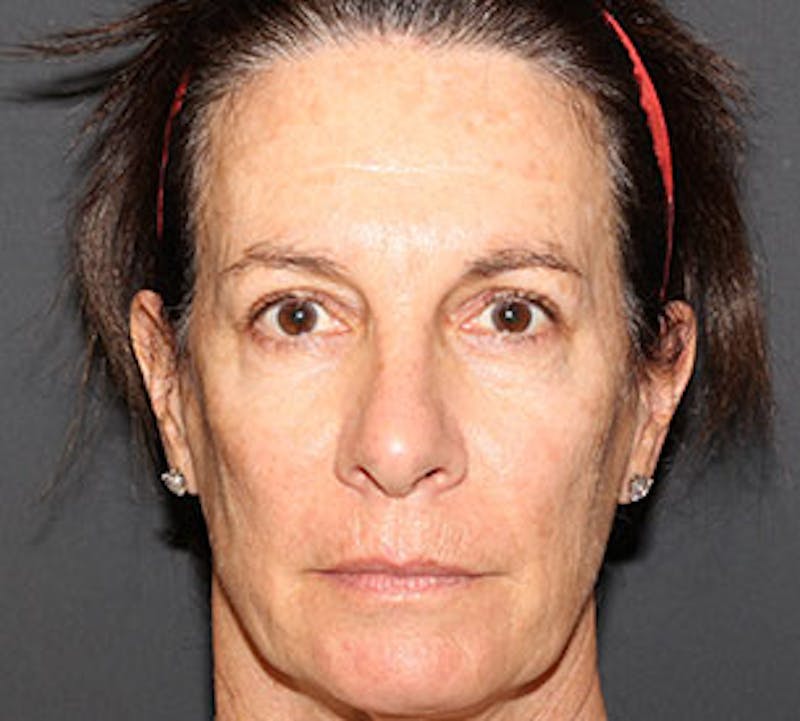
Usually, there are associated changes in the lower eyelids as well. Patient may complain of dark circles or bags under the eyes. This is often highlighted by a “groove” between the eyelid and the cheek, referred to as a tear trough or nasal-jugal groove. Other patients are unhappy with puffiness in the lower eyelids or excess skin and wrinkles. Lower eyelid surgery (lower blepharoplasty) can address these concerns and provide a balanced rejuvenation of the eyes in combination with upper eyelid surgery.
What is Blepharoplasty Surgery?
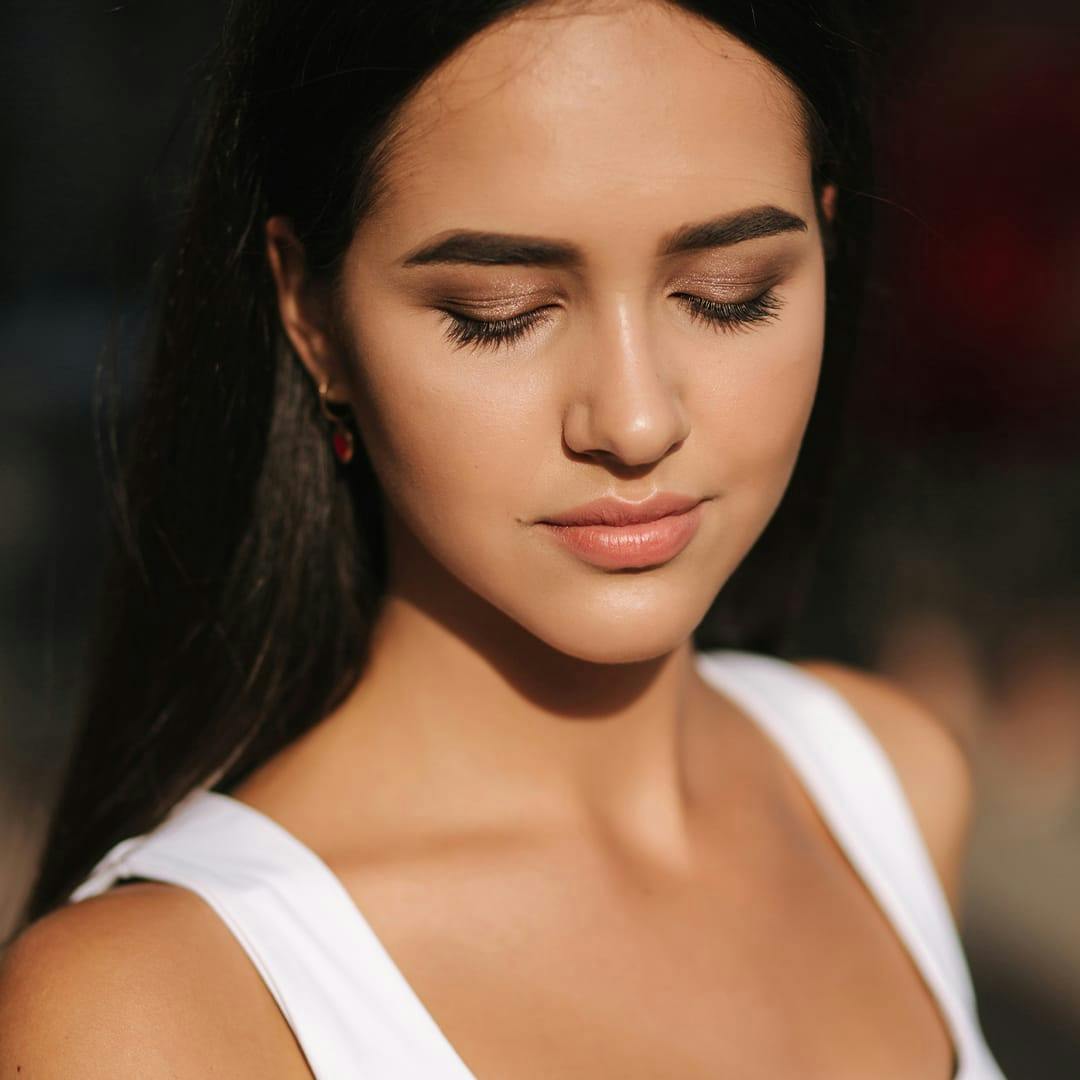
During an upper blepharoplasty (upper eye lift), excess skin is removed to create a crisp eyelid crease and a more open eye. If extra fat is present, this is removed at the same time. Any puffiness along the side of the eye or near the brow will also be addressed.
There are several approaches to lower blepharoplasty (lower eye lift) and the technique depends on the patient. There is no one “special” technique that can adequately address everyone – rather, each patient needs a custom tailored approach to the lower eyelid.

Before & After
View More


Recovery
Patients go home on the same day as surgery but should have a responsible adult stay with them for 24 hours. The recovery period is relatively rapid with most patients feeling very well by 2-3 days. Strenuous activity should be avoided for 1 week. Dr. Liu will follow you closely during the recovery period and will let you know when you can resume full activities. Swelling and bruising from upper eyelid surgery usually lasts around 5 days. Swelling and bruising from combined upper and lower eyelid surgery usually lasts around 7 days.
Contact SVIA® Plastic Surgery
Whatever the reason, blepharoplasty (eye lift, upper and lower eyelid surgery) can enhance the appearance of the eyes and upper face and provide significant personal benefits for the right candidate. To find out if blepharoplasty (eyelid lift, upper and lower eyelid surgery) is right for you, please make an appointment with Dr. Jerome Liu or Dr. Tom Liu.

Eyelid Surgery FAQs
Can upper eyelid surgery improve vision that feels blocked by heavy eyelids?
How is tear trough hollowing treated during lower eyelid surgery?
Will blepharoplasty change the natural shape of my eyes?
Where are the incisions placed, and will scars be visible?
Is eyelid surgery safe to perform under local anesthesia in the office?
Can upper eyelid surgery improve vision that feels blocked by heavy eyelids?
Yes. In some patients, excess upper eyelid skin can hang over the lash line and interfere with peripheral or upper vision. Upper blepharoplasty removes this excess skin, which may improve both visual function and eye comfort, in addition to creating a more refreshed appearance. During your consultation, your surgeon will evaluate whether your eyelid heaviness is contributing to visual obstruction.
How is tear trough hollowing treated during lower eyelid surgery?
Tear troughs, the groove between the lower eyelid and cheek, are commonly addressed during lower blepharoplasty using a customized approach. Depending on your anatomy, the surgeon may reposition existing fat, conservatively remove excess fat, or smooth the transition between the eyelid and cheek to reduce shadows and under-eye hollowness while maintaining a natural look.
Will blepharoplasty change the natural shape of my eyes?
When performed correctly, eyelid surgery should enhance rather than change the natural shape of your eyes. The goal is a rested, open appearance instead of an overcorrected look. Your surgeon evaluates eyelid anatomy, brow position, and facial balance to ensure results remain natural and harmonious.
Where are the incisions placed, and will scars be visible?
Upper eyelid incisions are placed within the natural eyelid crease, where they typically heal inconspicuously. Lower eyelid surgery may be performed through an incision inside the eyelid or with a fine incision just beneath the lash line, depending on the surgical plan. With proper healing, visible scarring is usually minimal.
Is eyelid surgery safe to perform under local anesthesia in the office?
Yes. Many upper eyelid procedures and some combined upper and lower blepharoplasties can be safely performed under local anesthesia in the office. For more complex lower eyelid surgery, sedation at an accredited surgical center may be recommended. Your surgeon will help determine the safest and most comfortable option for you.