

The first time you look in the mirror and notice facial wrinkles is never a fun moment. Although fine lines and wrinkles can make your skin look older and detract from your beautiful facial features, developing them doesn’t have to feel like the end of the world. With an effective treatment like Botox in Los Gatos, you can easily eliminate those signs of aging skin and restore your youthful, vibrant facial appearance.
Table of Contents

What Is Botox?
Botox is an injectable cosmetic treatment used to reduce fine lines, wrinkles, and other signs of aging skin. Botox can smooth the skin of the neck, jawline, and various areas of the face.
What are the Benefits of Botox?
Botox in Los Gatos can offer quite a few significant benefits, including:
- Smoother, firmer, more youthful-looking skin
- Reduced fine lines and wrinkles
- Prevents future lines and wrinkles from forming
- Softens the appearance of crow’s feet, lip lines, bunny lines, neck bands, nasolabial folds, frown lines, forehead lines, and chin dimples
- Improves jawline definition
- Increased self-confidence
- Minimally invasive procedure
- Minimal recovery downtime
- Quick, simple treatment
- Treats certain health conditions, including migraines, neck spasms, and excessive sweating


Are There Any Side Effects?
Botox can cause certain side effects in some patients. The most common side effects are minor and include:
- Injection site pain
- Swelling
- Redness
- Headache
- Droopy eyelids
In rare cases, the neurotoxin in Botox can spread to other areas of the body, which can result in a serious condition called botulism. If you experience any of the following symptoms, you should seek medical care immediately:
- Vision problems
- Muscle weakness
- Trouble speaking, breathing, or swallowing
- Incontinence
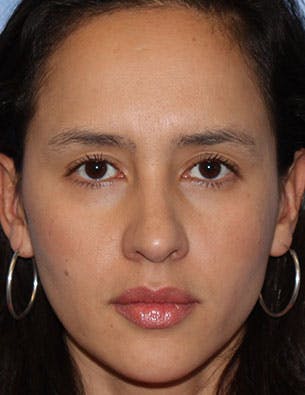
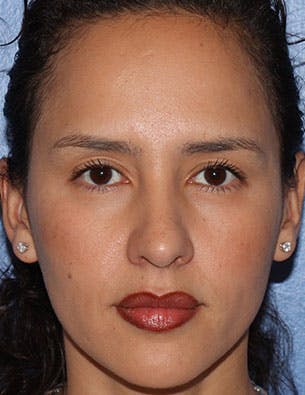
Before & After BOTOX
View More
Why Choose SVIA® for Botox Treatment?
At The Silicon Valley Institute for Aesthetics, we take great pride in providing patients with an exemplary level of aesthetic care and life-changing results. Our providers are highly trained and experienced in administering Botox and other injectable treatments as Dysport, and they’ll know how to evaluate your needs and personalize your care. With us, you can trust that your Botox treatment will be a comfortable experience and provide you with the beautiful, vibrant skin that you desire. Contact our office today if you’re ready to schedule a consultation and start on the road toward a more youthful facial appearance.

BOTOX FAQ
Can Botox be combined with other cosmetic treatments?
Will Botox make my face look frozen or unnatural?
Can I wear makeup after my Botox appointment?
Is there an ideal age to start Botox?
How often should I schedule Botox maintenance treatments?
Can men benefit from Botox treatments?
Should I avoid alcohol before Botox injections?
Can Botox help with a gummy smile?
What happens if I decide to stop getting Botox?
How can I make my Botox results last as long as possible?
Can Botox be combined with other cosmetic treatments?
Yes. Botox is often combined with treatments such as dermal fillers, laser skin resurfacing, chemical peels, or medical-grade skincare to address multiple signs of aging. Your provider can recommend a personalized treatment plan based on your aesthetic goals.
Will Botox make my face look frozen or unnatural?
When administered by an experienced injector, Botox is designed to soften facial lines while preserving natural facial expressions. The goal is refreshed, balanced results rather than an overdone appearance.
Can I wear makeup after my Botox appointment?
Many patients can resume wearing makeup later the same day, but it's generally recommended to wait several hours before applying products to the treated areas. Be gentle when cleansing or applying cosmetics to avoid unnecessary pressure on the injection sites.
Is there an ideal age to start Botox?
There is no specific age to begin Botox treatment. Some adults choose preventative Botox in their late 20s or 30s to minimize the formation of dynamic wrinkles, while others seek treatment later to soften existing lines.
How often should I schedule Botox maintenance treatments?
Most patients maintain their results by scheduling treatments approximately every three to four months. Your provider will recommend an appropriate schedule based on your muscle activity, treatment goals, and individual response.
Can men benefit from Botox treatments?
Absolutely. Botox is a popular treatment for both men and women who want to reduce facial wrinkles while maintaining a natural appearance. Treatment plans are customized to each patient's facial anatomy and aesthetic preferences.
Should I avoid alcohol before Botox injections?
Many providers recommend limiting alcohol consumption for at least 24 hours before treatment, as alcohol may increase the likelihood of bruising at the injection sites. Your provider will review any additional pre-treatment instructions during your consultation.
Can Botox help with a gummy smile?
In some cases, Botox can be used to relax the muscles that elevate the upper lip, reducing the amount of gum tissue visible when smiling. Your provider can determine whether this treatment is appropriate for your anatomy and goals.
What happens if I decide to stop getting Botox?
If you discontinue Botox treatments, your muscle activity will gradually return, and wrinkles will slowly reappear as they did before treatment. Botox does not make wrinkles worse or accelerate the aging process.
How can I make my Botox results last as long as possible?
Following your provider's aftercare instructions, protecting your skin from sun exposure, maintaining a healthy skincare routine, and staying consistent with maintenance appointments can help you enjoy longer-lasting results.